

3rd October, 2023
Athletic Performance Insider

WELCOME😊
The Athletic Performance Insider newsletter provides the most up-to-date research, exclusive interviews, practical tips, and industry news and trends. You can click this link if you missed the introductory newsletter. This explains the background and how the Athletic Performance Insider came to be. This edition covers Twitter (X) influencers in sport and exercise medicine, concurrent training, a review on ultra-endurance running, rowing coaches’ perceptions about developing talent, AI innovations in prescribing exercise, and an interview with Sports Analyst Dr Michele van Rooyen.
If you are not subscribed, you can do so by pressing the button.

RESEARCH🧐
1) Ultra-endurance running - a review
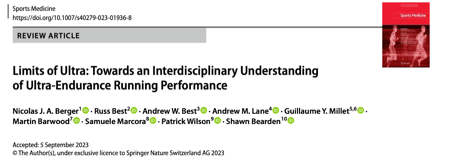
This review on ultra-endurance running (UER) begins with an evolutionary perspective explaining human capabilities and constraints. While humans possess evolutionary adaptations suited for long-distance travel, they frequently exceed the activity levels of our ancestors, thereby highlighting certain limitations. The review explores physiological and psychological factors critical for UER, highlighting performance limitations and offering guidance.
Physiologically, factors such as thermoregulation, oxygen utilisation, running economy, fatigue, and digestive issues are examined. Strategies to minimise running costs, limb tissue damage, and fatigue become pivotal in UER. Core body temperature maintenance, pacing strategies, heat acclimation, and hydration are crucial for sustained performance. Gastrointestinal problems affect many UER participants, requiring personalised nutritional strategies.
Psychological resilience and goal setting are vital for UER success, while physical and mental fatigue greatly influences performance. Understanding these complex limitations prepares UER athletes for various scenarios. This interdisciplinary review sheds light on UER limitations, aiding practitioners and scientists in informed decision-making for training and research.
The main points can be summarised as;
1) Humans have evolved adaptations favouring daily long-distance movement, but modern ultra-endurance running surpasses ancestral activity levels, revealing relative weaknesses.
2) Successful ultra-endurance running demands attention to factors like thermoregulation, oxygen use, exercise economy, digestion, nutrition, and fatigue.
3) Ultra-endurance runners show intrinsic motivation, higher pain tolerance, and diverse strategies to combat fatigue and enhance performance.
4) Focusing on performance-limiting factors in training and races can lead to better outcomes in ultra-endurance running.
2) Rowing coaches’ perspectives on performance and junior talent

This study delves into the world of rowing performance and coaching insights. Traditionally, understanding rowing performance has relied heavily on quantitative sports science research. However, this study sought to combine this objective data with the valuable experiences of coaches to shed light on implementing evidence-based training programs.
Through 27 in-depth interviews with seasoned rowing coaches, the study uncovered three major themes:
(i)"getting the basics right,"
(ii) "targeting types of talent," and
(iii) "complexities of performance."
Coaches emphasised the importance of mastering fundamental techniques, focusing on sequence and boat feel. They also highlighted the significance of hip flexibility and trunk musculature in achieving movement competency.
Furthermore, the study underscores the intricate nature of talent development and successful performance in rowing. Coaches' perspectives provide invaluable insights into key components of performance, helping to enhance understanding of how to nurture the potential of junior rowers with aspirations of reaching elite competition.
The main points are;
The study highlights the significance of mastering the sequence of the rowing stroke as a critical technical focus for junior rowers. Coordinating the leg drive, body swing, and arm draw is essential for optimal force production.
In junior rowers, movement competency is emphasised, particularly regarding flexibility and trunk force development capacity. These fundamental movement skills and effective technique basics are crucial in talent targeting and achieving successful performance outcomes.
While this study primarily focuses on technical and movement aspects, it also acknowledges the importance of psychological factors in performance.
TRIVIA🫣
📌 Leading influencers in sports medicine on Twitter (X)

In the ever-expanding realm of sports medicine content on social media, a recent study aimed to pinpoint the leading influencers within the field on X (formerly known as Twitter) and delve into their characteristics. This research, conducted in November 2021 using X influence scores, uncovered intriguing insights.
Of the top sports science and medicine influencers identified, a significant 48% were physical therapists or physiotherapists. Geographically, half of these influencers were from the United States and the United Kingdom. Notably, the mean h-index, a measure of an individual's scholarly impact, stood at 30.2, suggesting a substantial contribution to academic literature in the field. The median h-index was 22.0, reflecting a wide range of influence from one to 101.
Most influencers had diverse practice settings (63%), with 60% affiliated with academic institutions. Their affiliations spanned professional (62%) and Olympic (49%) levels of athletics, with soccer (48%) and rugby (30%) being the most frequently mentioned sports.
Furthermore, the study found that among the 76 profiles with provided URLs, a majority were linked to personal websites (58%). This wealth of online presence opens avenues for networking and collaboration within the sports medicine community. This study sheds light on the dynamic landscape of sports medicine in the digital age.
Howard et al., The top sports medicine influencers on X (formerly Twitter), Journal of Sports Sciences, 2023 [paywall]
📌 Searching for evidence on exercise and sports medicine topics - EvidenceHunt - Google search on steroids

EvidenceHunt offers an easy way to access clinical evidence swiftly and efficiently. Whether you're interested in clinical trials in ACL surgery, the latest findings about concussions, or details about a particular drug, EvidenceHunt can assist. Instead of navigating PubMed's vast repository of articles, EvidenceHunt leverages artificial intelligence to make clinical evidence easily accessible. With its trained team from deepdoc.io, the platform provides quick responses to clinical questions. You can search using simple terms, predefined medical specialities, or custom PubMed queries. After your search, you can opt for weekly e-alerts that deliver the most relevant new evidence.
INTERVIEWS AND PROFILES🤝
Close and personal section - Michele van Rooyen
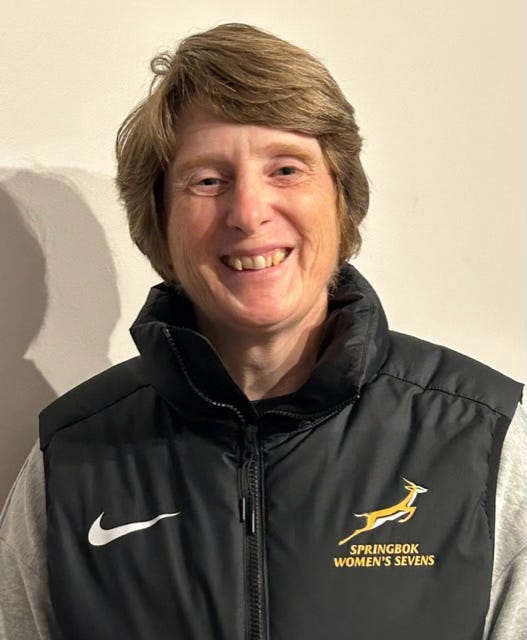
Name and qualifications:
- Michele van Rooyen, PhD, University of Cape Town, South Africa
Background and Introduction:
- My journey into academia is unconventional, having left school without the necessary qualifications. After working and studying part-time, I started my Sports Science training at Brighton University (UK). I developed a research interest, which evolved into a PhD at the University of Cape Town, Sports Science Institute of South Africa. I started working with sports analysis software, and my research took a different focus, investigating how video could be used to better understand performance.
Motivation and Passion:
- I have always been involved in sports, and my love for science was established at school, so studying Sports Science at varsity was the obvious choice. Being at the Sports Science Institute of South Africa was another developmental step because I could observe academics and athletes working side by side.
- My lightbulb moment came during my undergrad when our hockey side was underperforming, and I applied my knowledge of training methods to improve the players' conditioning. This showed me that theory could translate into the real world of sports.
Career Journey:
- Team sports have always been my passion. In 2000 a sports analysis system was donated to the University of Cape Town. I was considered the obvious choice to manage the equipment. Soon after, I was introduced to Paul Treu (Springbok Sevens Coach). Immediately, Paul Treu could see the value of video analysis and wanted it to be an integral part of his coaching. Meeting Paul enabled me to think that a Sports Analyst career was possible.
- Another influential moment was attending my first analysis conference, where I realised that my research was comparable to my international peers. This might not sound particularly important until you understand that I didn't have any colleagues in video analysis here in South Africa.
Challenges and Learning:
- For me, there are two major challenges in analysis. The first is finding coaches willing to embrace analysis without feeling that their job is under threat. The second revolves around working in a male-dominated sport. I'm not convinced either challenge has been fully overcome, but there has been progress.
- Working with a national team means that you are always looking for ways to improve, which is no different in my work. I continually look for better ways to communicate with players. I try to stay updated on relevant research and investigate anything that can add value. Technology, however, is more of a challenge as, unfortunately, we are affected by exchange rates, which limits our opportunities to test new products.
Memorable Experiences:
- The Commonwealth Games in Melbourne and going into the Athlete's village alone was amazing, but what I remember most was being told that I couldn't use a tripod because it would block the view of the spectators. I found a place to stand where no one could sit behind me and used my tripod anyway.
- My greatest success began with the Blitzboks (Springbok Rugby Sevens) when the IRB (then World Rugby) did not permit live analysis. Tournament organisers only agreed to give me access to the television footage if no one could see which team I was working for. This has changed through persistence; virtually every team has an analyst travelling with them.
Daily Routine and Work Ethic:
- We have a weekly program that contains rugby, conditioning sessions (gym or agility-focused) and team meetings where a video is presented showing what we will work on and why. The rugby sessions are filmed, the video is coded into the different exercises and then uploaded to our online platform for everyone to watch.
- Working alongside dedicated professional athletes and seeing their daily sacrifices motivates me.
Relationships with Athletes:
- Doing the little jobs at training and being interested in the team helped the players open up to me. It also helped that I was the only female in the management.
- You need to show interest in the person, not just the rugby player. Simple words of encouragement build confidence, which creates opportunities for greater connection.
Personal Connection to Sports:
- I started playing hockey at six years old and graduated through the juniors and into the senior teams by age 15. I won provincial colours from UI6 right up to the 1st XI but never reached national level. Exercise is currently a means to de-stress and keep fit rather than for competitive purposes.
Advice for Aspiring Professionals:
- Working in elite sport is not glamorous. There are many long days and equally long nights of preparation. You need to know that coaches might not even use your findings. A lesson to pass to my younger self would be to remain confident that your work is relevant to improving performance.
Balancing Work and Personal Life:
- It is challenging to balance life and work because I always want to improve my work. However, I am forced to disengage from work with a family to go home to. This change in focus is a good reminder that there are other important things in life besides work.
Future Goals and Aspirations:
- My immediate goals are completing a Professional Doctorate and attending the Olympics. My long-term goal is to teach students about Sports Analysis and research.
Favourite Quotes or Mantras:
- Trying to effect the greatest change in performance by making the simplest adjustment. Sometimes, you only need to show that you believe your players can achieve great things.
[YouTube video of Michele explaining her work]
PRACTICAL🏋️♂️
📌 Concurrent training
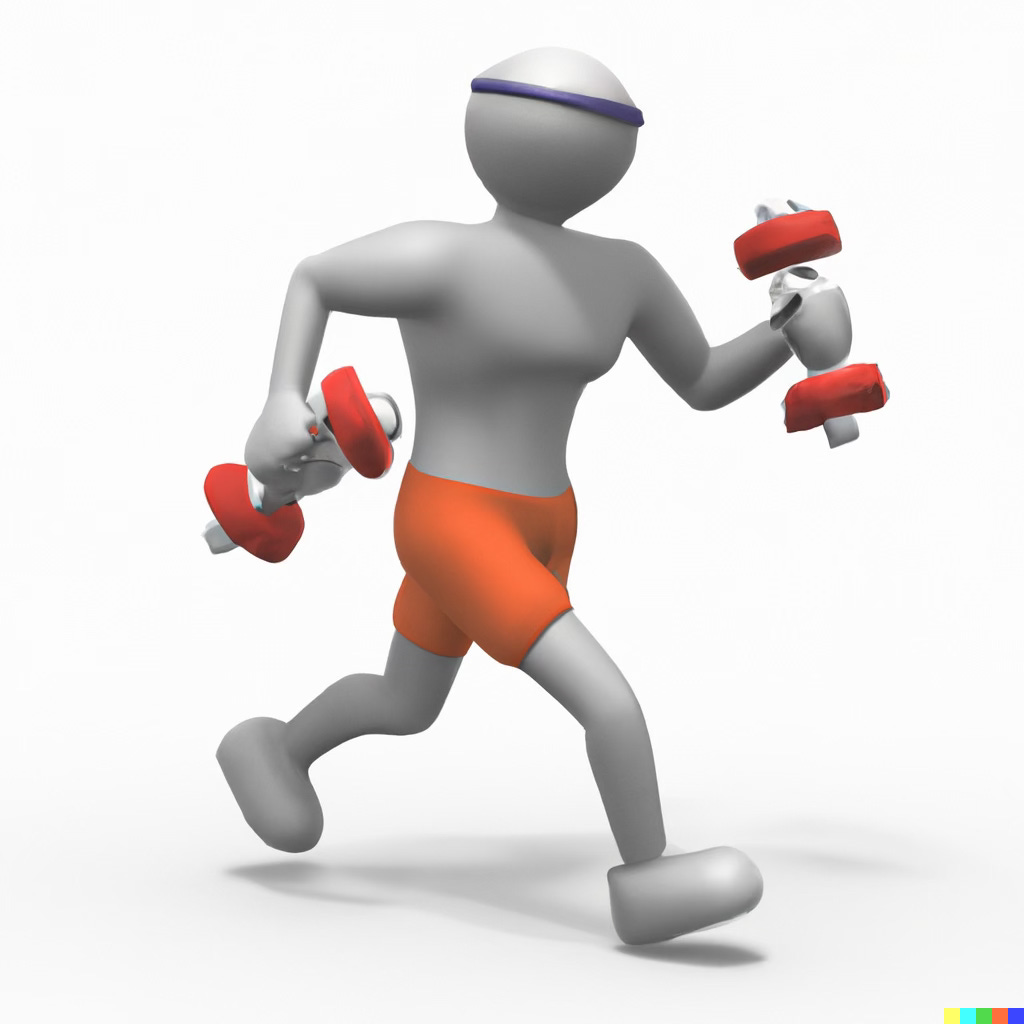
Concurrent training is a type of fitness and sports training that combines resistance or strength training with aerobic or endurance training in one workout regimen or program. This approach aims to simultaneously improve muscular strength and cardiovascular endurance, which benefits some sports. However, concurrent training is a challenging process requiring a solid understanding of exercise principles and physiological adaptations. There are inherent risks associated with this type of training, such as the potential for interference effects. This occurs when gains achieved through strength training, such as muscle growth and neuromuscular improvements, may be limited when combined with intense aerobic training, ultimately reducing overall strength and power improvements.
Additionally, concurrent training places higher demands on the body, which increases the risk of overtraining. At Canberra University in Australia, Wayne Lombard presented this topic to Masters in Strength and Training students. In his lecture, Concurrent Training: the Great Training Paradox, he provided practical applications and delved into the subject from first principles, explaining the intricacies of concurrent training.
INDUSTRY NEWS📡
WHOOP Coach - AI-driven prescription
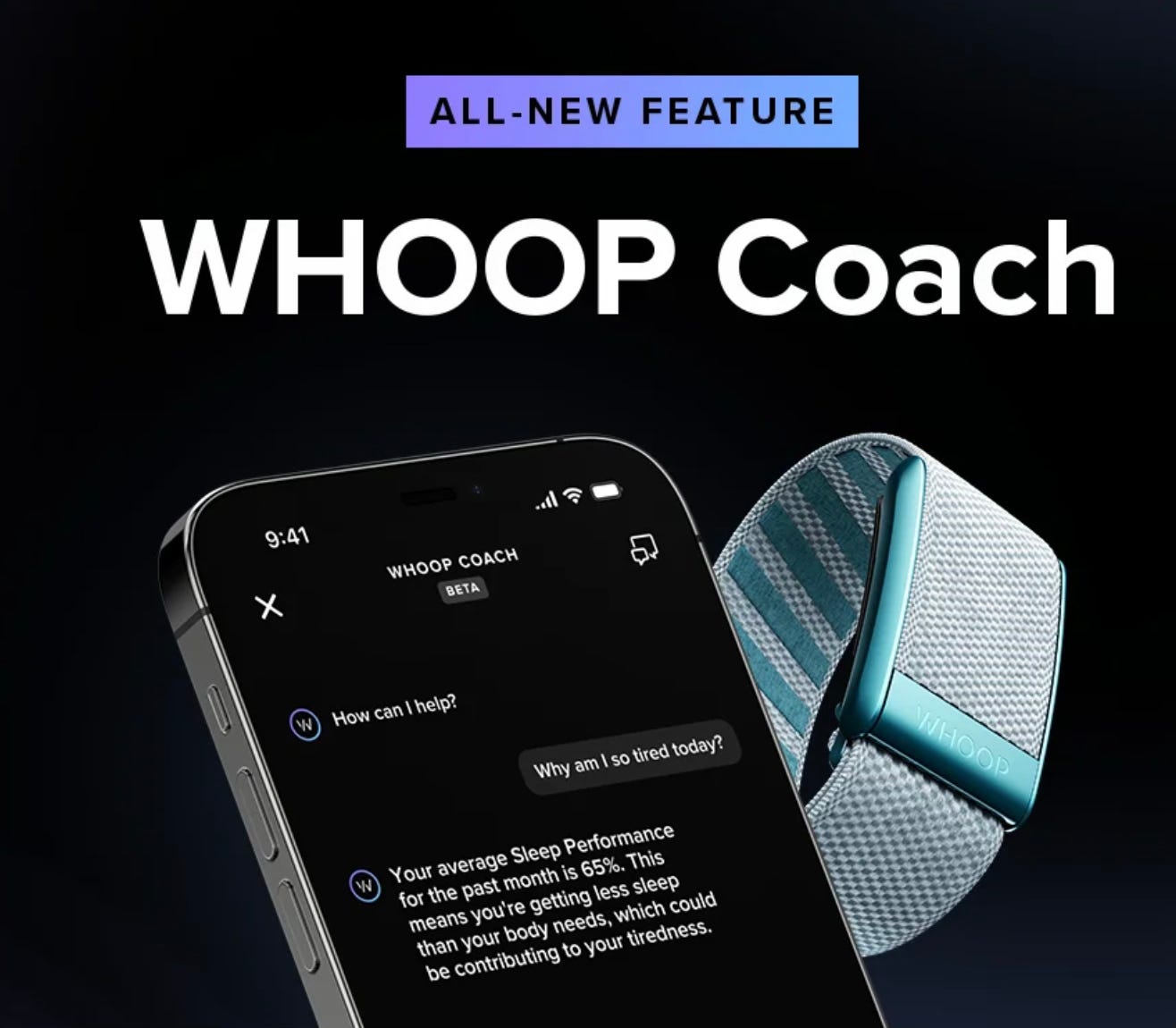
WHOOP Coach generates personalized responses to health, fitness, and well-being enquiries using WHOOP's proprietary algorithms, a custom machine learning model, and the latest performance science insights based on the client's unique biometric data.
WHOOP Coach uses GPT-4, OpenAI's most advanced generative AI system, to produce highly tailored recommendations and guidance.
WHOOP Coach can select the client’s areas of focus or where additional support is required and tailor its coaching to the person’s data and objectives, offering personalised advice, insights, workout suggestions, nutrition guidance, and fitness plans. A client can converse with the WHOOP Coach anytime and about any topic. Over time, WHOOP Coach continuously refines its recommendations based on what proves effective for the client.
This sounds promising, but it will take time and research to determine its accuracy and whether consumers will adopt this mode of training prescription and support.
-oOo-
If you enjoyed this newsletter, please share the link.
Subscribe to ensure you get a weekly newsletter. The next newsletter will be published on 10th October 2023.